
ADULTO MAYOR . MÁS VIDA A LOS AÑOS . CPAP (PRESIÓN POSITIVA CONTINUA EN LAS VÍA AÉREAS) PARA LA
Instructions and Clinician Setup Manuals to help you change pressure settings on most any CPAP machine by SuperSleeper , Apnea Board Administrator There is a lot of talk about how it's "illegal" for Sleep Apnea patients to adjust or change their own CPAP machine pressure settings; that only a licensed, certified or qualified technician, physician or clinician can do it.
How Often Do You Change Your CPAP Supplies? MyCPAP
Ultimate answer: Yes, it's technically illegal under federal law to change your pressures but nobody in Washington is going to care. 2. Medicare and Insurance Fraud. This is the other place where you could break the law for messing with your pressure by yourself - and this one may just count.
Change is sometimes good. I was set to APAP with a top pressure of 12. I started using o2 ring

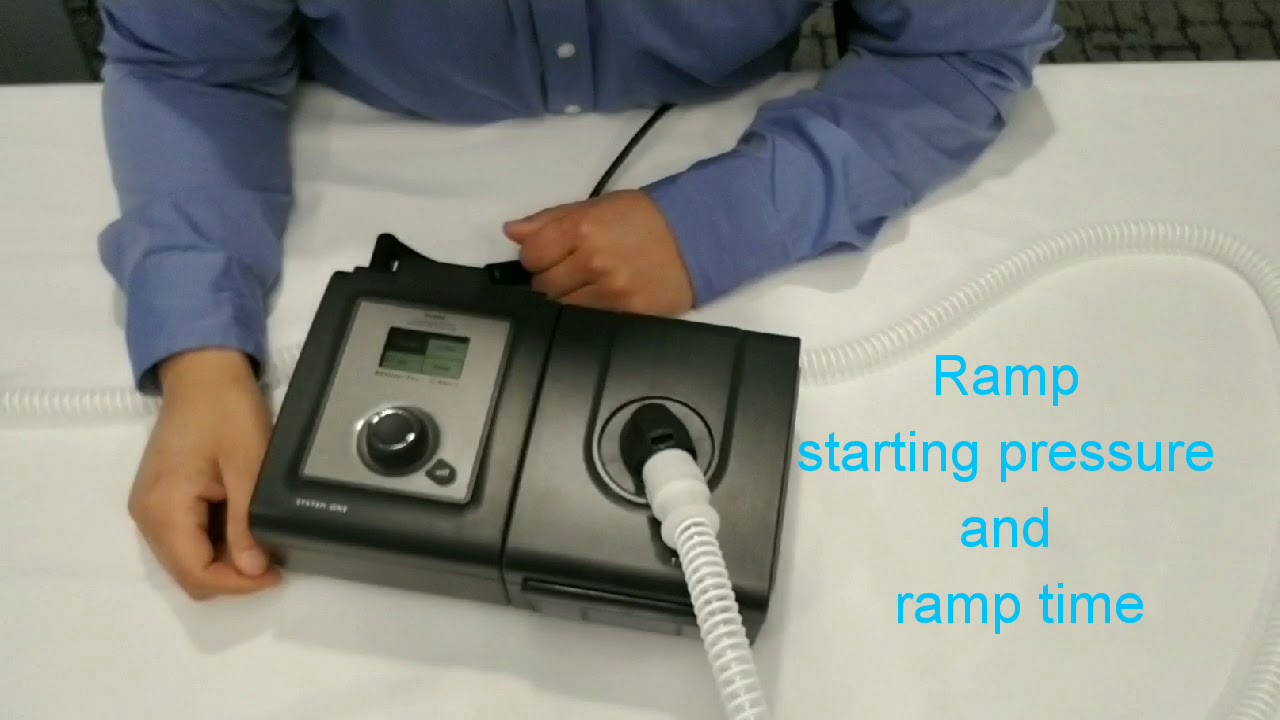
A ResMed device with the Ramp feature: this is where the machine pressure can be set to start at a lower pressure and 'ramp up' to your full therapy pressure over a maximum of 45 minutes, easing you into therapy. A ResMed device with the SmartStart™ setting: this allows you to start therapy by breathing in, instead of pressing the 'Start.
How To Change Pressure On Resmed Airsense 10

A CPAP machine is one of the most commonly prescribed 1 treatments for those with sleep apnea. It delivers a continuous flow of air pressure to keep the airway from collapsing during sleep, ultimately keeping your oxygen levels steady throughout the night. 1 Your machine must deliver the right amount of pressure, specifically for you, or else it could be ineffective.
Buy 9PACKS in&line Filter for CPAP Units CPAP in&line Filters for Dreamstation, CPAP Filters

CPAP pressure is measured in centimeters of water pressure, or cm H2O. During a sleep study, a sleep technician begins with a low pressure level, often 4 cm H20. Then they increase the pressure by 1 or 2 cm H20 every 5-10 minutes until there is no more obstruction in the upper airway.. Your doctor will make these changes based on sleep data.
Is changing cpap/bipap pressure yourself illegal?
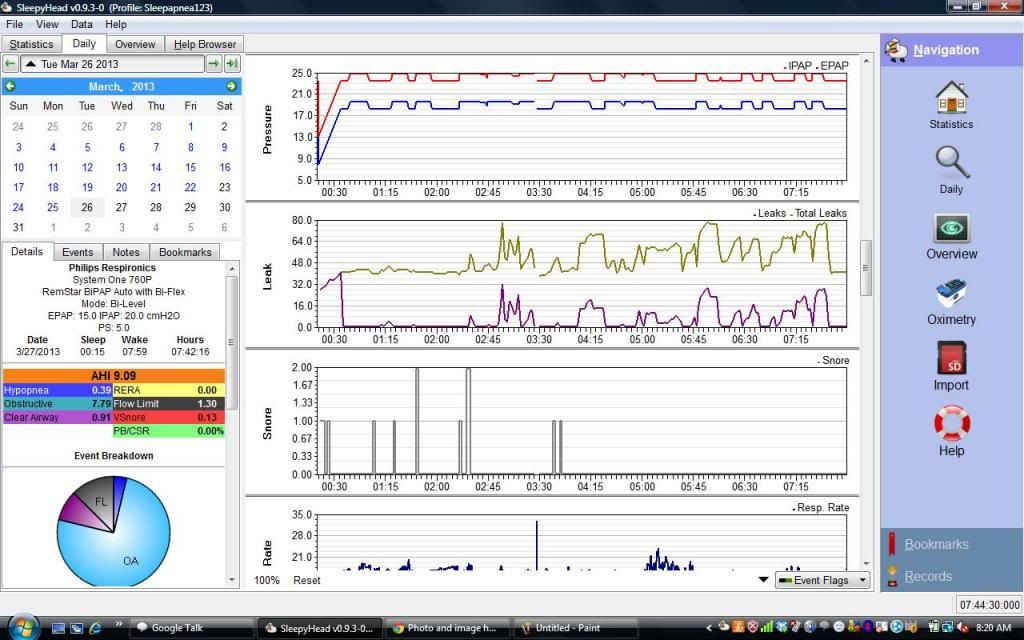
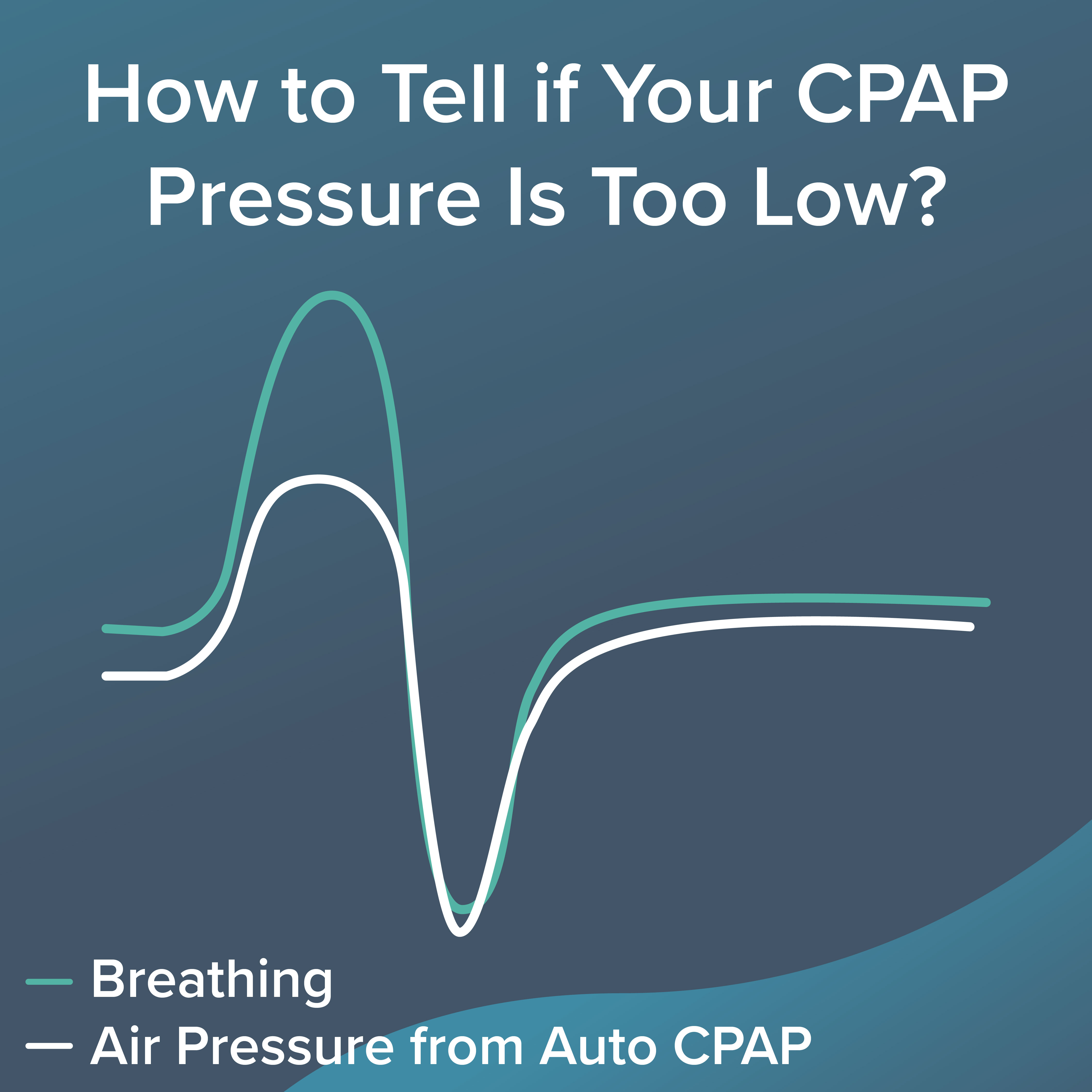
CPAP therapy provides the minimum amount of air pressure needed to keep your airway open. When your CPAP pressure is too low, you will have difficulty breathing while sleeping. To determine this, check your sleep reports to see your AHI score. AHI determines the severity of your sleep apnea - the lower the score, the less severe the sleep apnea.
Violations » Air Pressure
BiPAP (or, bilevel positive airway pressure) delivers a higher pressure when you breathe in than when you breathe out. While CPAP delivers one consistent pressure, a BiPAP varies the air pressure based on when you inhale and exhale. Michelle reiterates, "You may be a good candidate for a BiPAP machine if you feel like the pressure is too high.
CPAP Pressure Change — Sleeptopia, Inc CPAP Supplies

Tap and hold "My Options" and "My Sleep View" for three seconds until the menu background changes to white. Select "Settings". Scroll down to the "Comfort" section and tap the toggle next to EPR to enable it. Tap "EPR Type", then choose "Ramp Only" or "Full Time", then select "OK" to confirm your choice.
Under Pressure, issue 3 Dazed

The air pressure delivered is determined by the pressure setting on your device. For most people, this CPAP pressure setting is set between 6 and 14 cmH2O, with an average of 10 cmH2O. Your sleep physician will help you determine what level is right for you. You may think the pressure level is related to the severity of your sleep apnea, but.
CPAP Continuous Positive Airway Pressure ΔΕΛΤΑ ΙΑΤΡΙΚΗ
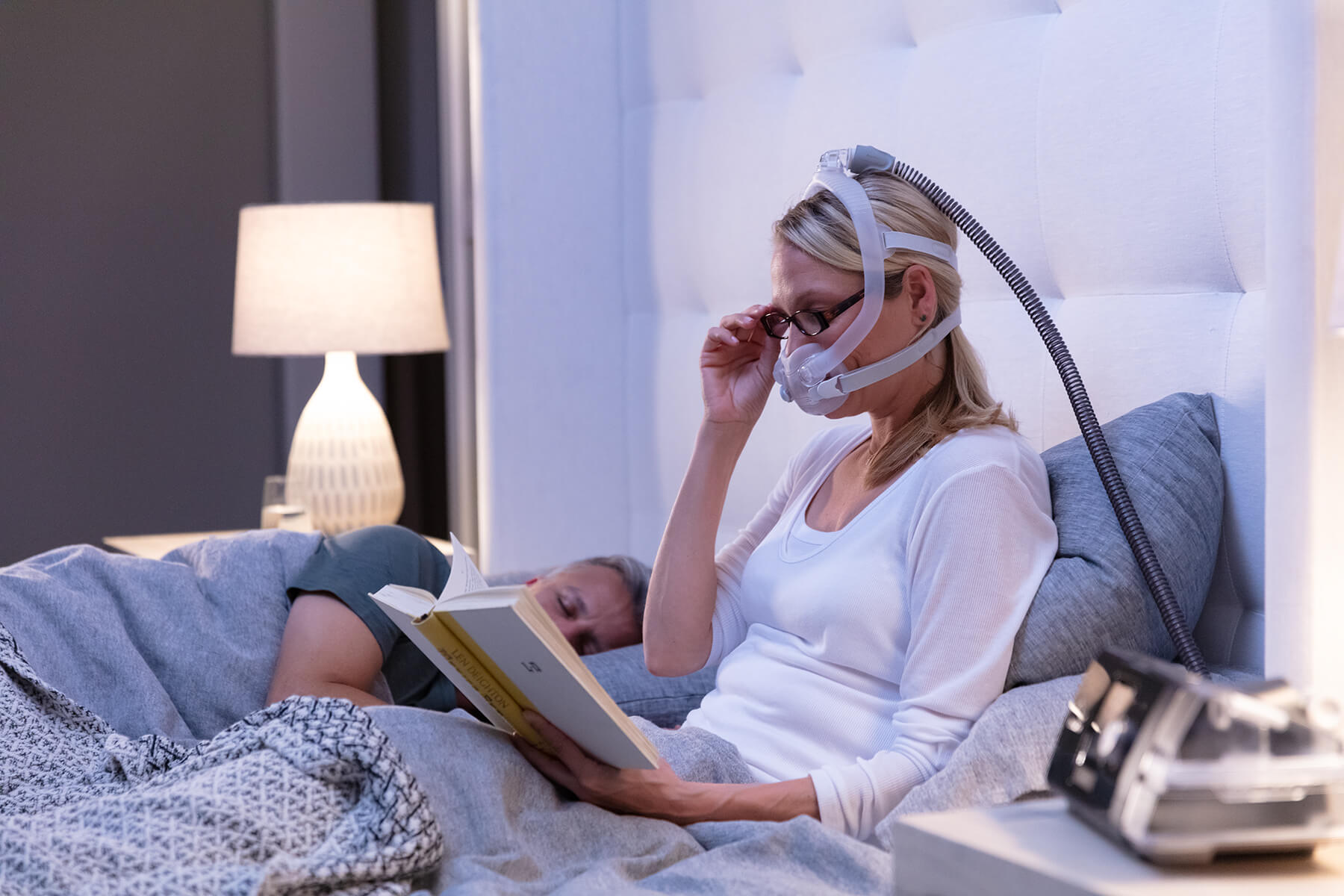
8. Dry mouth. If you breathe through your mouth at night or sleep with your mouth open, some CPAP machines may worsen dry mouth. A chin strap may help keep your mouth closed and reduce the air leak if you wear a nasal mask. A machine with a full face mask that covers your mouth and nose also may work well for you.
What Should My Cpap Pressure Be Free Hot Nude Porn Pic Gallery
BiPAP machines are slightly different as they can be adjusted to lower than 4 and higher than 20. The average CPAP pressure is 10 cmH2O, and most people with sleep apnea require a CPAP pressure between 6 and 14 cmH2O. APAP and BiPAP machines have some differences in terms of pressure settings when compared to a CPAP machine.
CPAP Therapy Tips Starting Pressure and Ramp Time YouTube
The most common pressure setting for a CPAP machine is 10 cmH2O, and the average pressure levels for treating Obstructive Sleep Apnea (OSA) range from 6 to 15 cmH2O. In some cases, a person may require a higher or lower pressure than that 4 to 20 range. Those with Central Sleep Apnea (CSA) —one of the three types of sleep apnea—may need a.
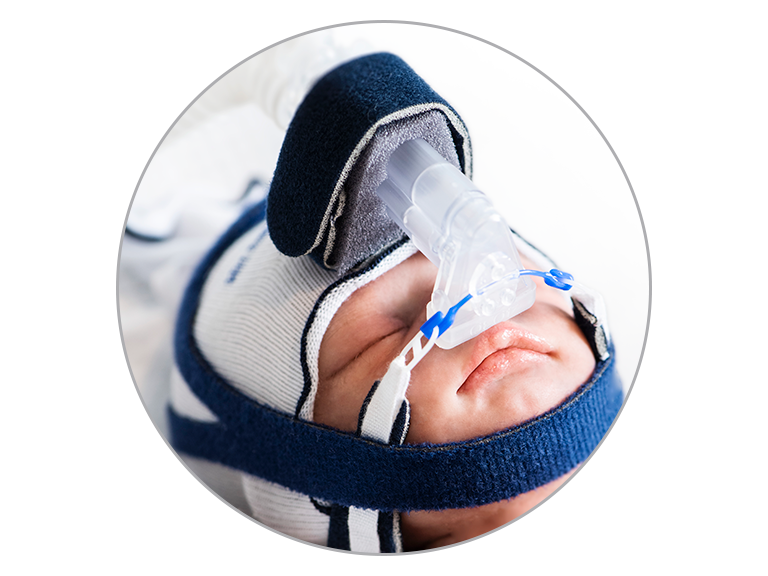
Bubble CPAP at best price in New Delhi by HiTech Medi Systems ID 23732522755

CPAP pressure settings are measured in centimetres of water pressure (abbreviated as cm of H2O). Most CPAP machines will have a pressure setting of between 4 cm and 20 cm H2O, with 4 cm H2O considered on the lower range side and 20cm H20 on the higher. However, most Sleep Apnea patients often require a pressure setting of between 6 and 14 cm H2O.
Download free Goodknight 420G Manual nessrutracker

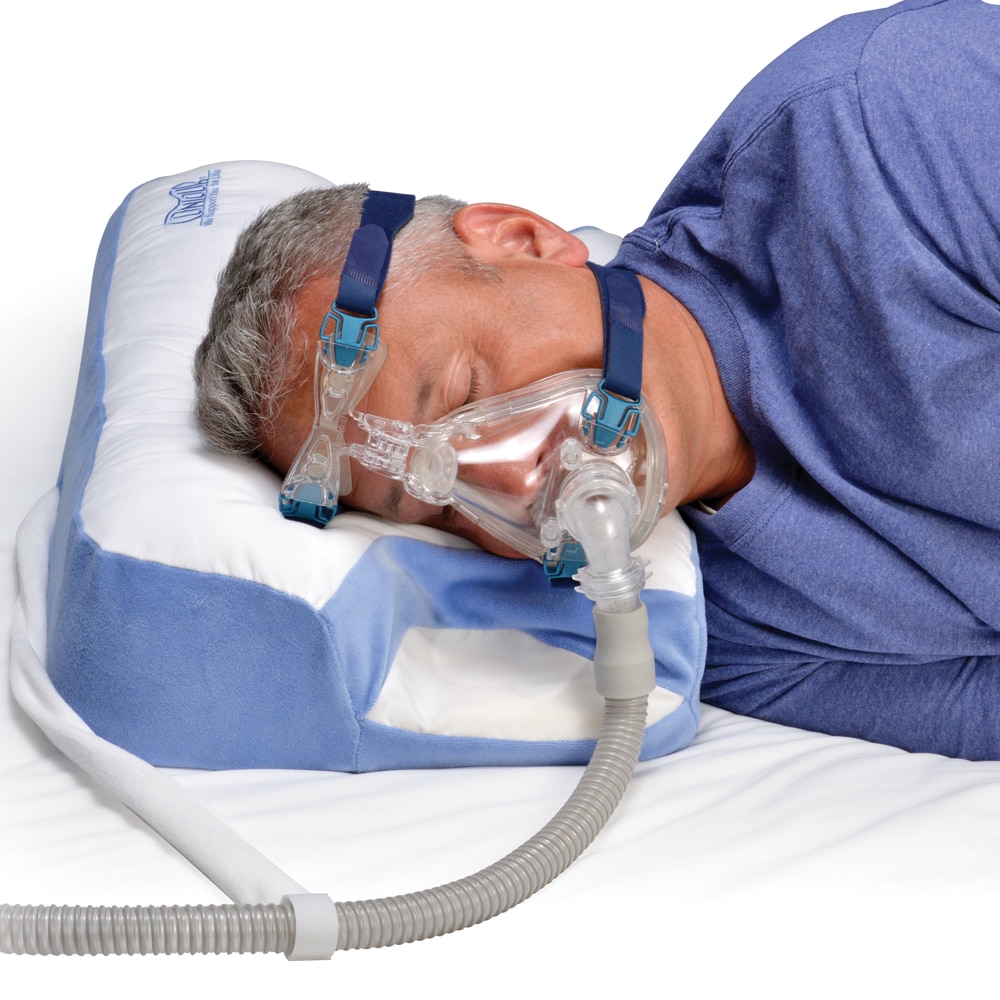
The CPAP machine delivers a constant flow of air through tubing and a mask and into your airway. The CPAP machine creates enough pressure in your airway to hold the tissue open, so your airway doesn't collapse. The soft, steady jet of air from the CPAP machine creates enough pressure to keep the airway open.
How to Tell if Your CPAP Pressure is Too Low & Next Steps GoCPAP
Pressure in a CPAP machine is measured in centimeters of water pressure (cm H2O). Settings vary based on the device, but most CPAP machines have a pressure range of 4 cm H2O to 20 cm H2O. The average pressure setting for people with OSA is around 9 cm H2O . A CPAP titration study is the most common method used to determine an appropriate.
When to Change Out CPAP Tubing & Filters MONTHLY CPAP CLUB
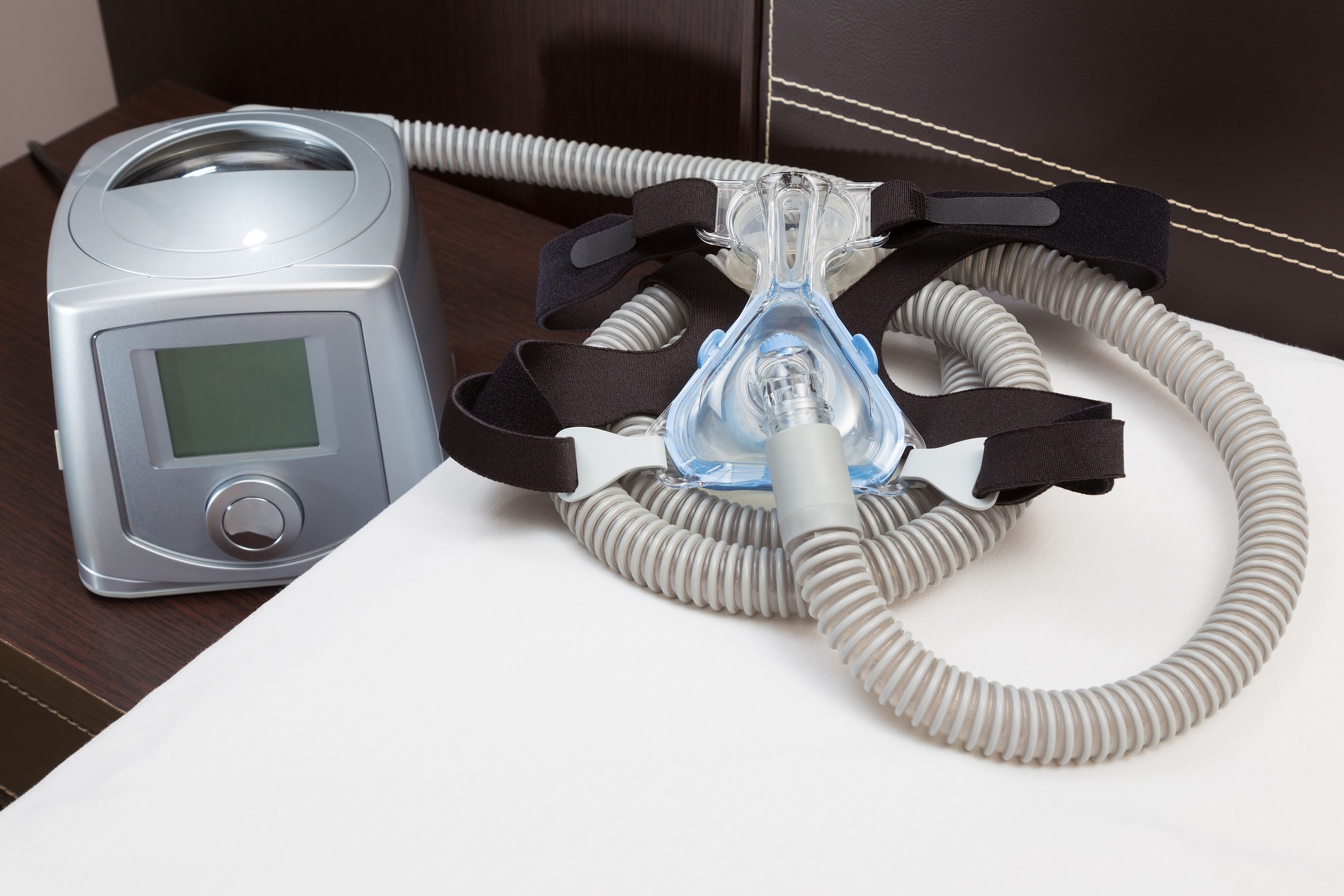
The ResMed AirSense 10 has four EPR settings: 0-3. At 0, pressure relief is turned off. At 3, air pressure is reduced by 3 cm H2O. For example, if a patient's CPAP is set to 10 cm H2O with an EPR of 3, the air pressure during exhale is lowered to 7 cm H2O. Once an inhale is detected, air pressure increases back to 10.
.